No. 0091 min read
Fourteen years at five nines. Yes, we patched them.
Fifty servers, fourteen years, 99.999% availability.
No. 0201 min read
At Raymond James, Splunk and Dynatrace helped cut critical-error diagnosis and remediation time by 40%. Faster releases still needed time to prove they worked.
You finished the deployment before the change window closed. I'm still going to want to know whether the system works, especially if I'm the one on call after your installer finishes.
I worked at Raymond James[1]Ref. 1Raymond James raymondjames.com on contract from February through May 2017, as a System Administrator in Capital Markets. I was the Linux[2]Ref. 2Linux en.wikipedia.org SME and tier-three application administrator for the GBST Syn back-office trade-processing suite. That is a mouthful before you even get to the machinery.
I implemented Splunk[3]Ref. 3Splunk splunk.com log analysis and Dynatrace[4]Ref. 4Dynatrace dynatrace.com JVM[5]Ref. 5JVM en.wikipedia.org process monitoring across the Syn components. Time to identify and remediate critical errors fell by 40%. I also built Ansible[6]Ref. 6Ansible ansible.com playbooks and Jenkins[7]Ref. 7Jenkins jenkins.io pipelines for releases across test and production, cutting deployment time by 50%.
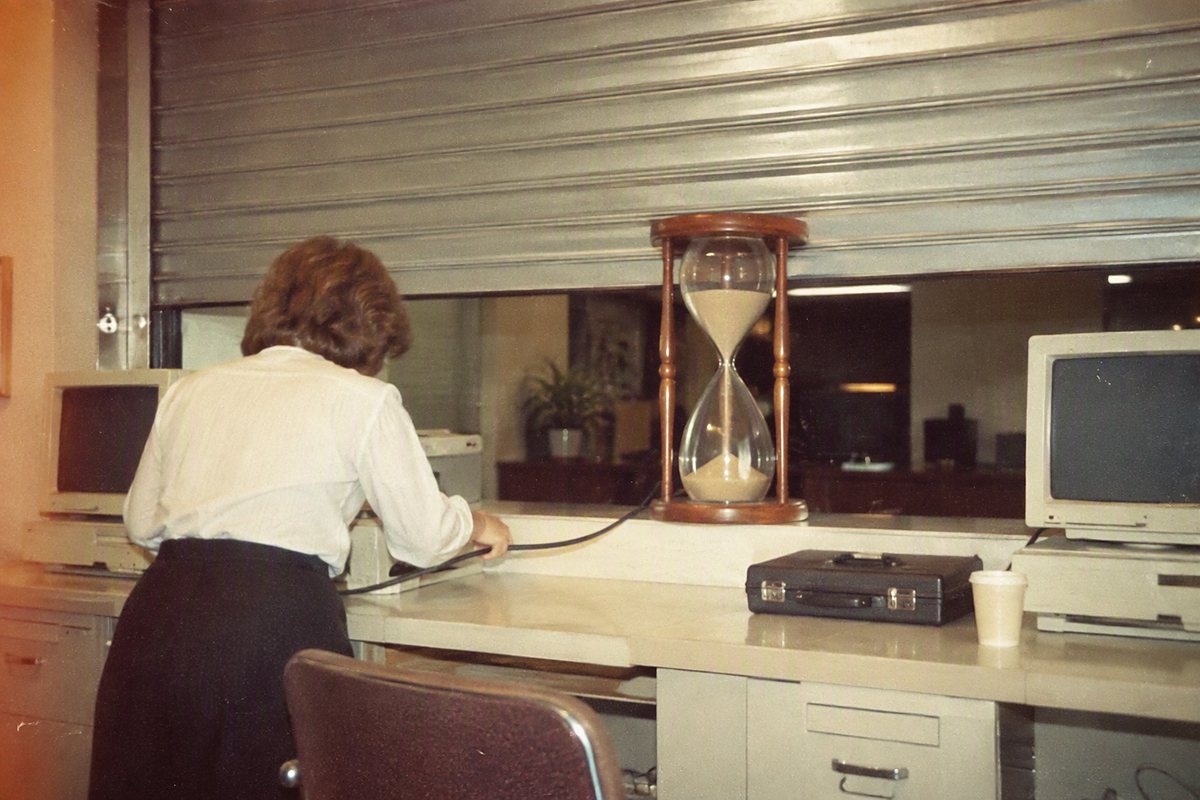
Faster diagnosis buys time to consider the change, and faster deployment leaves you time to verify it. If the installer uses up all of that time anyway, you've automated your way right back into a hurry.
The window has to cover preparation, the change, validation and a recovery decision. Use the whole thing applying the change and you've borrowed verification time from whoever approves the next exception. I'm sure they'll be thrilled.
A post-change check needs to cross enough of the integration path to test what you could have broken. A local listener check can miss proxy routing trouble. An application response can miss a queued operation nobody is consuming anymore. The restart can work just fine while that's going on.
The checks depend on the change and environment. Financial production systems also limit what a test transaction may do, so verification needs approved, understood behavior. I'd like that worked out before we're down to the last available minutes.
No. 0091 min read
Fifty servers, fourteen years, 99.999% availability.
No. 0072 min read
At sixteen I moved Advertisnet's services from Windows NT to Linux/BSDi.
No. 0401 min read
Your script worked once.
No. 0141 min read
Ansible and GitLab helped me cut Sprint deployment errors by 30% and improve release speed by 40%.