No. 0501 min read
What mediation taught me about people (not that kind of mediation)
Fourteen years reconciling billing records at Sprint taught me to check what I know before assigning blame.
No. 0101 min read
ELK and HP OpenView helped cut resolution time for actionable Sprint mediation alarms by half. Tell the operator what to do, folks. Making noise is the easy part.
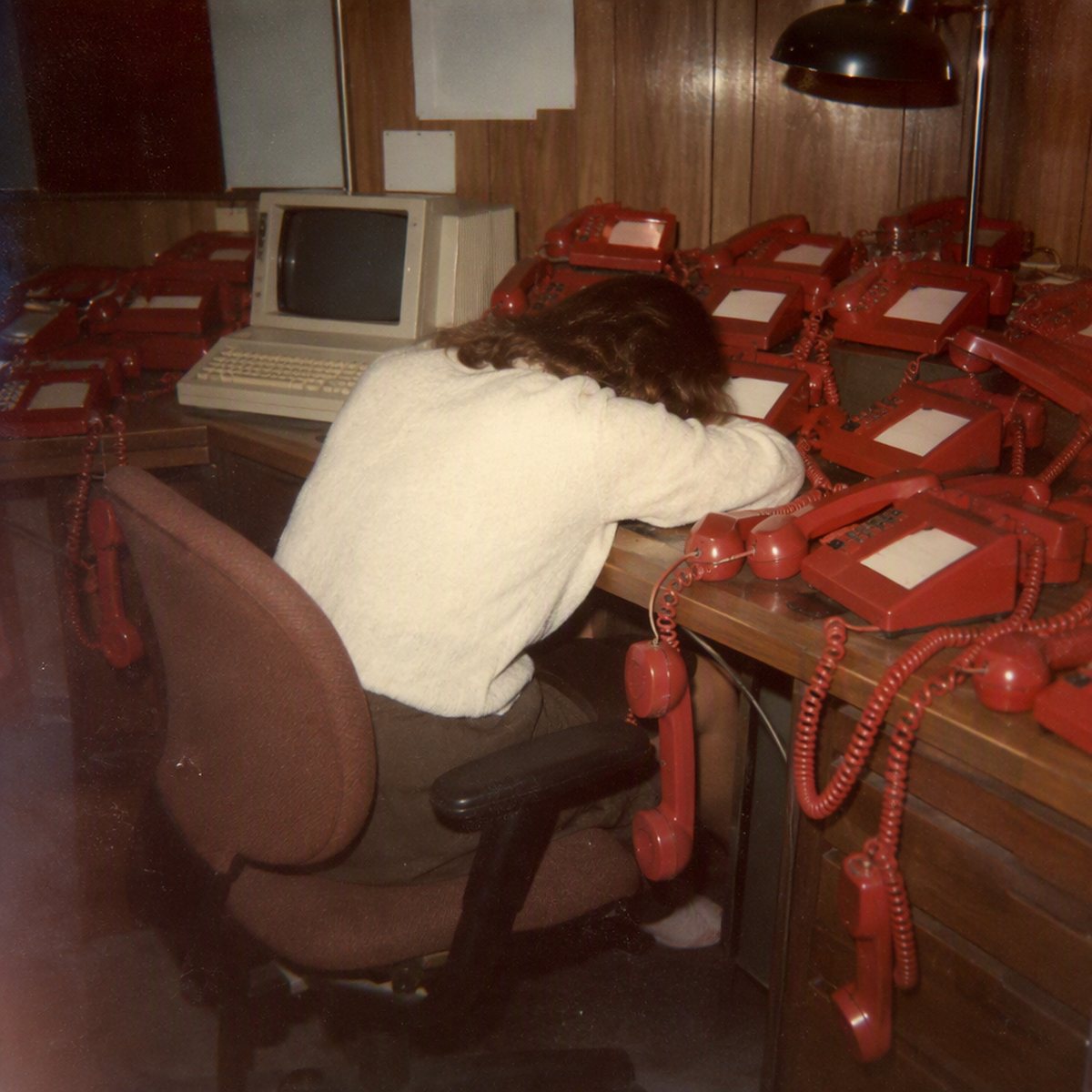
Your monitoring system tells you something is wrong, and then leaves you to find the system, figure out what happened, decide whether it matters, and work out what the hell to do. I've got some complaints about that.
At Sprint[1]Ref. 1Sprint en.wikipedia.org I deployed the ELK stack[2]Ref. 2ELK stack elastic.co and HP OpenView[3]Ref. 3HP OpenView en.wikipedia.org across multiple billing mediation platforms for observability and alerting. Time-to-resolution for actionable alarms dropped 50%.
That measurement covered actionable alarms.
For mediation, a file identifier can tell you more than a generic severity label. What happened to this piece of work between collection and delivery? "ERROR" tells me somebody found the caps lock key. I still need to know what happened to the file.
An operator shouldn't need to open a dashboard to find out which machine sent the message.
I want to know what the person receiving an alarm can do about it. If all we've got is "look at it," we've given an operator who already has a job another blinking light to watch.
No. 0501 min read
Fourteen years reconciling billing records at Sprint taught me to check what I know before assigning blame.
No. 0361 min read
Corrupt how, folks?
No. 0341 min read
Your parser rejected the record.
No. 0331 min read
A bigger sequence number does not mean your missing file arrived, folks.