No. 0543 min read
huh. What is this string, exactly?
A timestamp, a cron line, an exit code, an invisible Unicode character.
No. 0361 min read
Corrupt how, folks? Protect the original, establish the format, follow record lengths, check byte order, and find the first boundary that actually breaks.
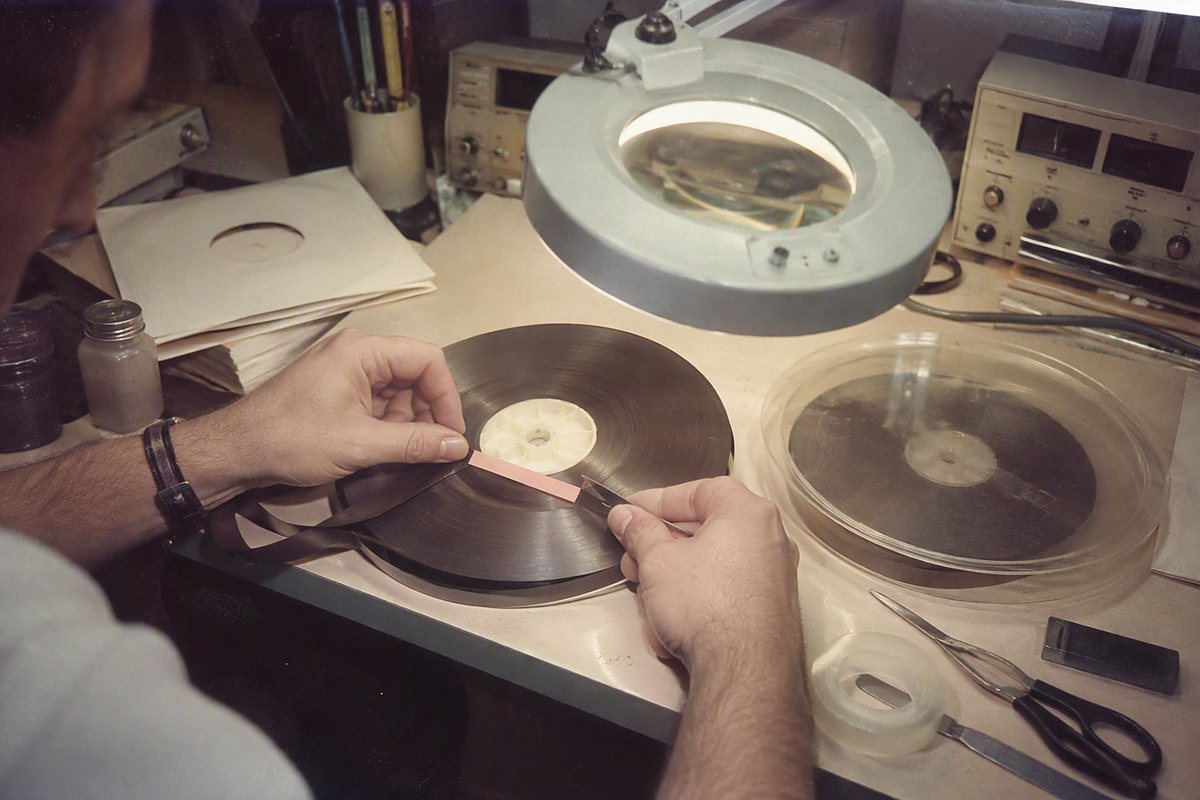
Your parser[1]Ref. 1parser en.wikipedia.org says "corrupt file," and you would like it to be a little more fucking specific.
I'd protect the original and make a working copy before poking around. I'd record the file size and a cryptographic hash[2]Ref. 2cryptographic hash en.wikipedia.org, and keep the source filename and transfer context somewhere outside the copy I'm examining. I want to know what arrived and where it came from before deciding what's wrong with it.
The editor has a save button, which is also a very convenient way to help the damage along.
od -Ax -tx1 -v -N 64 suspect.bin
In od(1)[3]Ref. 3od(1) man7.org, -Ax prints hexadecimal[4]Ref. 4hexadecimal en.wikipedia.org offsets and -tx1 prints individual bytes in hexadecimal. The -v keeps repeated lines from disappearing behind an asterisk. -N 64 limits this first look. That is 64 bytes. There's a whole file I haven't seen yet.
I follow the offset column rather than those convincing little display rows. Sixteen bytes across means somebody chose a sixteen-byte display width. It doesn't tell us that somebody else designed sixteen-byte records, however neatly they seem to line up on the screen.
A parser out of alignment can make everything afterward look broken. I'd look for the first boundary where the file and format disagree. The last error in a thousand-line report has had plenty of opportunity to inherit somebody else's problem.
If recovery is justified, I'd preserve the rejected suffix and document exactly which complete records I accepted. I'd keep what I could establish separate from what I couldn't. Padding missing payload with zeros would give me a longer file, sure, but I'd still be missing the fact that was supposed to be there.
No. 0543 min read
A timestamp, a cron line, an exit code, an invisible Unicode character.
No. 0531 min read
A shell that can undo the last thing you did.
No. 0441 min read
Corkscrew fits in 291 lines, folks.
No. 0431 min read
Corkscrew reported success without establishing a tunnel.