No. 0521 min read
Recording Mantoloking with Steve Fisk. Yes, in Kansas.
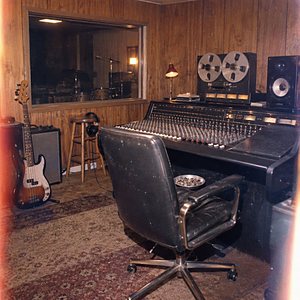
The Sexy Accident made Mantoloking at Black Lodge in Eudora, Kansas, with Steve Fisk.
No. 0321 min read
Listen to the cak and cuk, folks. Keroncong carries Portuguese traces, but Indonesian musicians made the music. Kampung Tugu, Bengawan Solo, and knowing when to shut up.
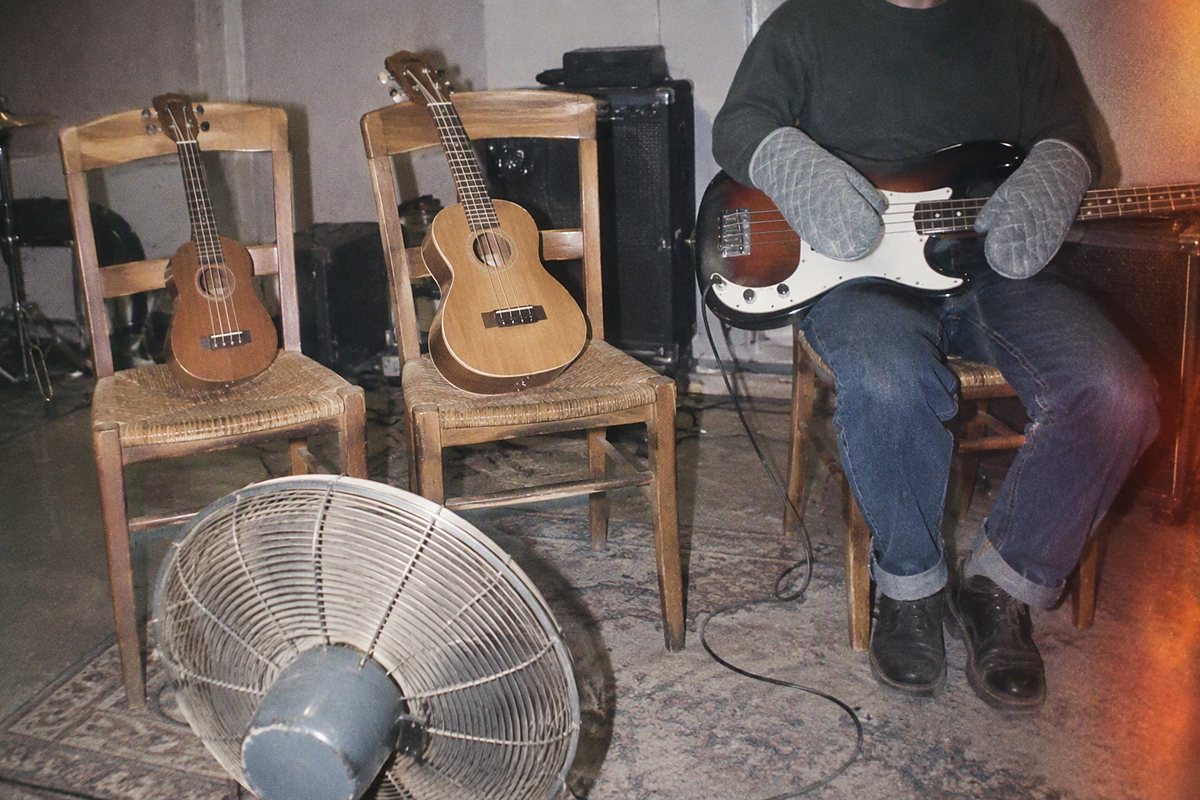
If you play bass, listen to keroncong[1]Ref. 1keroncong en.wikipedia.org with the little plucked instruments in mind, and leave your own damned strings alone for a minute. The singer may be holding a phrase while those players keep making little decisions underneath it. You could miss the whole thing waiting for somebody to get loud.
Keroncong developed through encounters between Portuguese-influenced music and local musicians in the Indonesian archipelago. Small plucked string instruments are part of that history. Indonesian musicians changed it rather than preserving a finished European genre.
Cak and cuk are small ukulele[2]Ref. 2ukulele en.wikipedia.org-family instruments, with contrasting rhythmic jobs in a common keroncong ensemble. They aren't just doubling the same strum. Their parts work against and around each other, so listening to one in isolation can leave you wondering why the pair feels so active. I keep wanting to hear what each one is doing.
That gets my producer brain going. Stacking copies of a part can make an arrangement bigger without giving me much more to hear. Two distinct parts can make more audible movement than several layers doing the same damned job, and the writing separates them before panning or equalization[3]Ref. 3equalization en.wikipedia.org gets involved. I can't just fuck with the controls afterward and expect that to finish an arrangement whose parts don't work together.
Those little plucked parts make me want to fill the gaps with bass notes. But the gaps are already doing work, and I'd like to be able to sing the part I'm about to step on before I interrupt it. Which means leaving the bass alone a little longer.
No. 0521 min read
The Sexy Accident made Mantoloking at Black Lodge in Eudora, Kansas, with Steve Fisk.
No. 0311 min read
Iwan Fals, Efek Rumah Kaca, .Feast, Navicula, and Homicide were not waiting for my bass drop.
No. 0301 min read
Francis M, Andrew E., Gloc-9, and FlipTop give you different ways into Filipino hip-hop.
No. 0291 min read
Suboi, Den Vau, and Rap Viet give you somewhere to start.