No. 0521 min read
Recording Mantoloking with Steve Fisk. Yes, in Kansas.
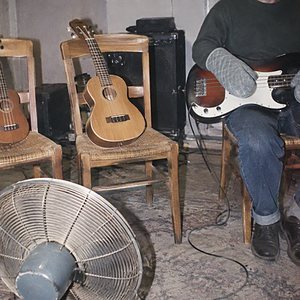
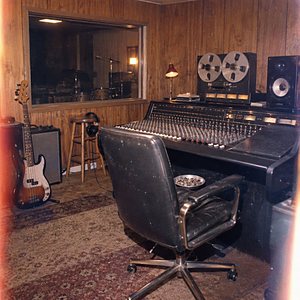
The Sexy Accident made Mantoloking at Black Lodge in Eudora, Kansas, with Steve Fisk.
No. 0301 min read
Francis M, Andrew E., Gloc-9, and FlipTop give you different ways into Filipino hip-hop. Keep the original audio handy, folks. The translation can't do everything.
If you hear a rapper switch languages halfway through a verse, don't sit there waiting for them to pick one. They already picked the words they wanted, and you and I get to figure out why.
Taglish[1]Ref. 1Taglish en.wikipedia.org is the mixing of Tagalog[2]Ref. 2Tagalog en.wikipedia.org and English. That gives Filipino rappers choices that an English-only transcription can hide completely. A phrase changes rhythm, gets more formal, or suddenly sounds like it's meant for somebody else. Sometimes you hear the switch happen. Sometimes people are just talking the way they talk, and I'm the one making a big production out of it.
An English phrase inside Tagalog might sound ordinary. Or official, intimate, boastful, ridiculous. The switch doesn't come with a permanent emotional label attached. The speaker and the audience supply that, and recognizing a word doesn't mean I get to overrule them. Though it's tempting when I finally recognize something.
As a producer, I want to hear the mechanics. Different words give you different consonant clusters to work with, a borrowed phrase might squeeze an idea into less space, while another word gives you a vowel you can stretch. Switching languages can make a rhyme possible that wouldn't exist if the writer kept the whole passage in one language. I can hear that choice while I'm still working out what it means.
The Philippines has many languages. Filipino hip-hop[3]Ref. 3Filipino hip-hop en.wikipedia.org reaches beyond Tagalog and English, and these nationally visible names can't stand in for every regional scene. Calling every record from the country Taglish would get me into trouble pretty quickly.
Try following the language changes in one passage with a reliable explanation, then play the audio again without reading. Does the switch sound like a change in attitude now, rather than just vocabulary?
No. 0521 min read
The Sexy Accident made Mantoloking at Black Lodge in Eudora, Kansas, with Steve Fisk.
No. 0321 min read
Listen to the cak and cuk, folks.
No. 0311 min read
Iwan Fals, Efek Rumah Kaca, .Feast, Navicula, and Homicide were not waiting for my bass drop.
No. 0291 min read
Suboi, Den Vau, and Rap Viet give you somewhere to start.